
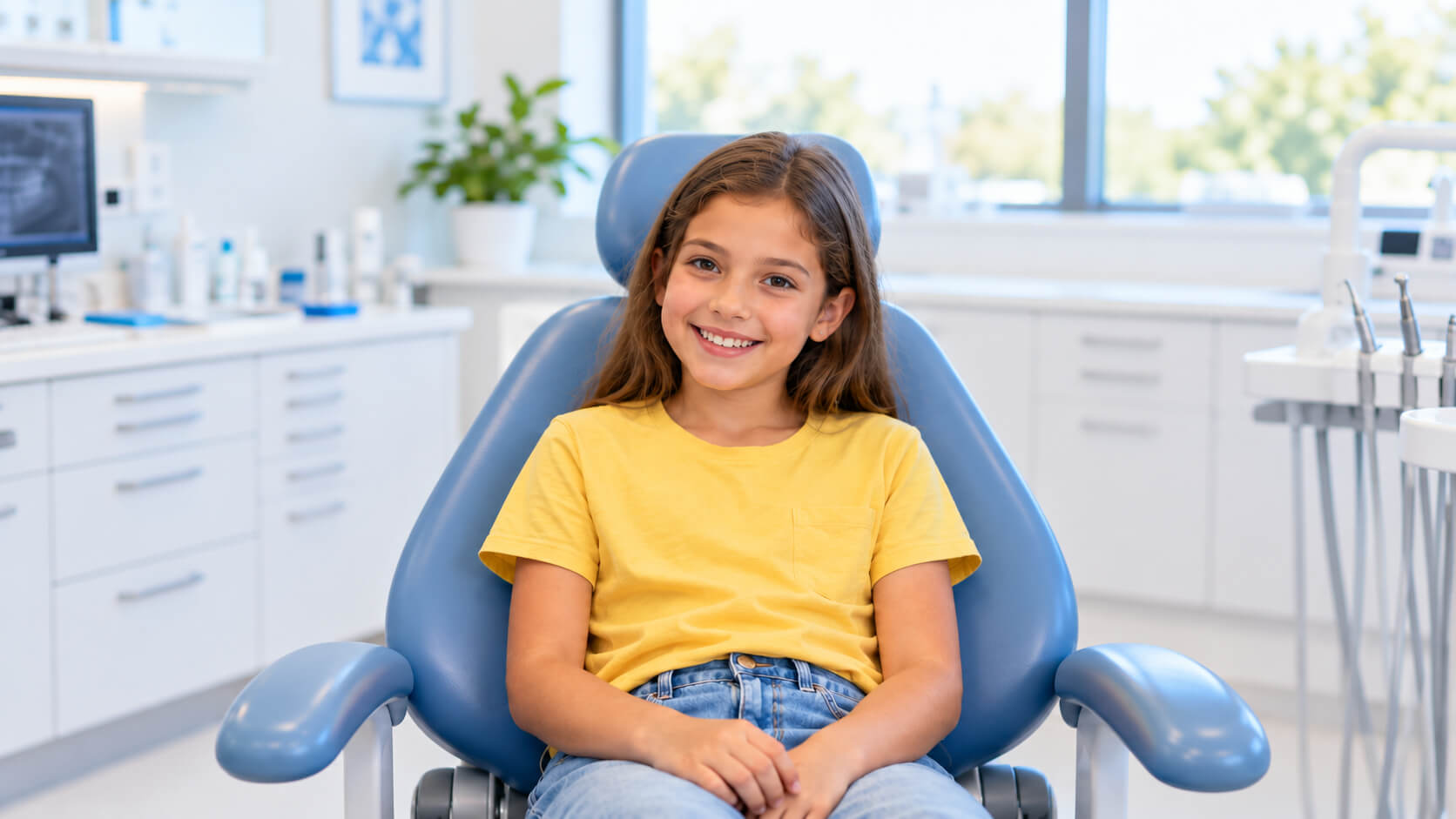
Many parents assume orthodontic treatment only begins once all adult teeth have come through. However, crooked teeth and bite concerns often start developing much earlier during childhood.
An early orthodontic assessment does not necessarily mean your child will need braces immediately. In many cases, it simply allows developing concerns to be monitored while the teeth and jaws continue to grow.
Understanding the early signs of orthodontic issues can help parents know when it may be time to seek assessment.
What Causes Crooked Teeth in Children?
Crooked teeth can develop for several reasons, including:
- Genetics
- Crowding due to limited jaw space
- Early or late loss of baby teeth
- Thumb sucking or prolonged dummy use
- Mouth breathing
- Jaw growth differences
- Impacted or delayed erupting teeth
In some children, crowding becomes more noticeable as adult teeth begin erupting because there may not be enough space within the jaw.
If you would like a broader overview of treatment options for crowded or crooked teeth, you can also read our guide to Crooked Teeth Treatment Options in Glen Waverley.
Signs Your Child May Need an Orthodontic Assessment
Some orthodontic concerns are easy to notice, while others are more subtle.
Common signs may include:
- Crowded or overlapping teeth
- Teeth erupting in unusual positions
- Difficulty biting or chewing
- Mouth breathing
- Thumb sucking habits continuing beyond early childhood
- Jaws that shift or click
- Protruding front teeth
- Speech difficulties in some cases
Even if your child’s teeth appear mostly straight, bite alignment issues may still be present.
What Age Should a Child See an Orthodontist?
Many orthodontic organisations recommend children have an orthodontic assessment around age 7.
At this age:
- Adult teeth are beginning to erupt
- Jaw growth can be evaluated
- Bite development can be assessed
- Early crowding may become visible
This does not mean treatment always begins at age 7. In many cases, orthodontists simply monitor growth and tooth development over time before recommending treatment.
Why Early Orthodontic Assessment Can Be Helpful
Early assessment allows orthodontic concerns to be identified before they potentially become more severe.
Depending on the child’s needs, monitoring or early intervention may help:
- Guide jaw development
- Create space for erupting teeth
- Reduce worsening crowding
- Improve bite development
- Lower the risk of impacted teeth in some cases
For some children, early treatment may reduce the complexity of future orthodontic treatment.
Does Every Child With Crooked Teeth Need Early Treatment?
No.
Some children may benefit from early orthodontic treatment, while others are better suited to treatment during the teenage years once more adult teeth have erupted.
The timing depends on factors such as:
- Jaw growth
- Tooth eruption patterns
- Bite concerns
- Severity of crowding
- Overall orthodontic development
This is why proper orthodontic assessment is important rather than assuming all children need immediate braces.
What Treatment Options Might Be Recommended?
Depending on the child’s orthodontic needs, treatment may include:
- Monitoring growth and development
- Space maintainers
- Early orthodontic appliances
- Braces during adolescence
- Invisalign for suitable older teenagers
As children get older, some may become suitable candidates for Invisalign treatment for crooked teeth, while others may benefit more from braces.
What Happens if Orthodontic Problems Are Left Untreated?
In some children, crowding and bite concerns may gradually worsen as more adult teeth erupt.
Without orthodontic assessment, issues may become more difficult to correct later and could contribute to:
- Increased crowding
- Difficulty cleaning teeth
- Bite problems
- Tooth wear
- Jaw strain in some cases
Early monitoring can help identify the most appropriate timing for treatment if it becomes necessary.
When Should Parents Consider an Orthodontic Assessment?
Parents may wish to arrange orthodontic assessment if they notice:
- Crowded teeth
- Bite problems
- Teeth erupting unevenly
- Prolonged thumb sucking
- Jaw shifting
- Concerns about smile development
Even when treatment is not immediately required, understanding how your child’s teeth and jaws are developing can help support long-term oral health and smile function.
For more information about orthodontic treatment options, book your consultation with our orthodontists in Glen Waverley today!